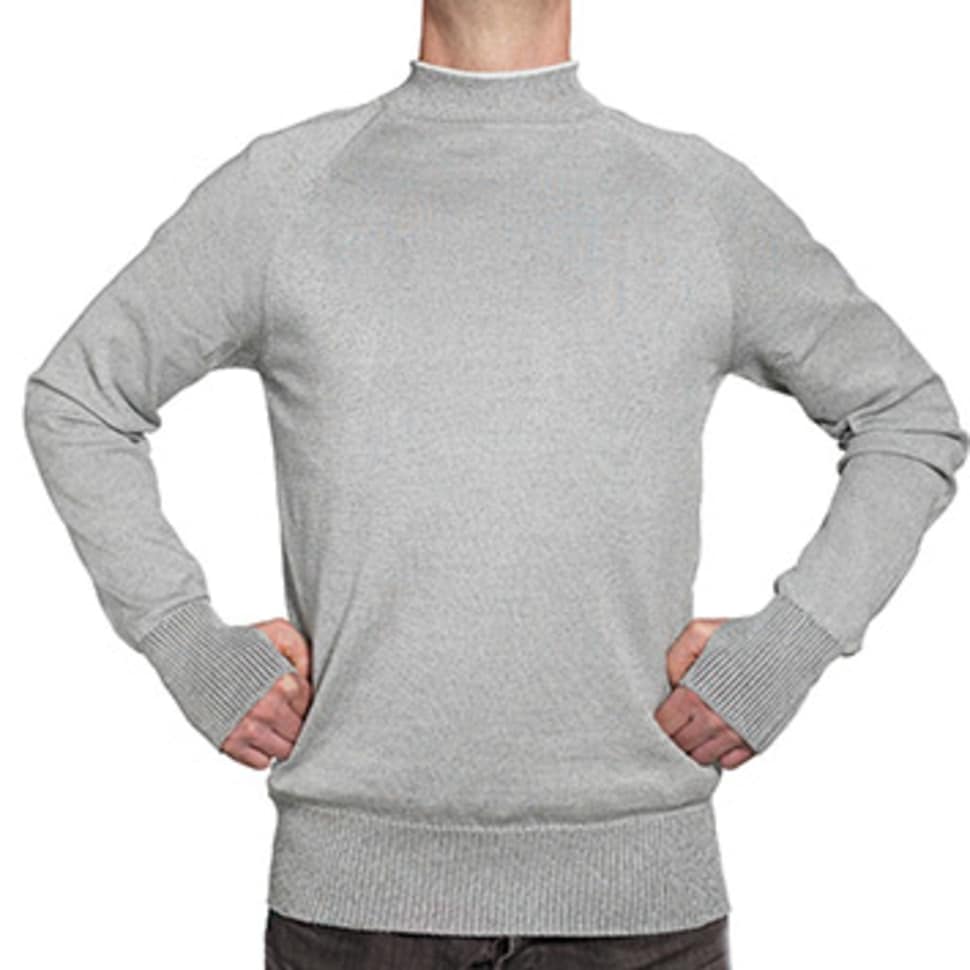


Performance in every fiber
Tilsatec manufactures high performance hand, arm, and body protection for high-hazard industries.
Tilsatec manufactures high performance hand, arm, and body protection for high-hazard industries.

With extensive expertise, cutting-edge facilities, and comprehensive testing laboratories, we are constantly innovating to meet workforce protection needs as industries grow and change.

With raw materials vertically integrated, take advantage of quick customization, high availability, and low MOQ.


We ensure total quality control and maximum performance down to the fiber by manufacturing RhinoYarn®, our own proprietary cut-resistant yarn.

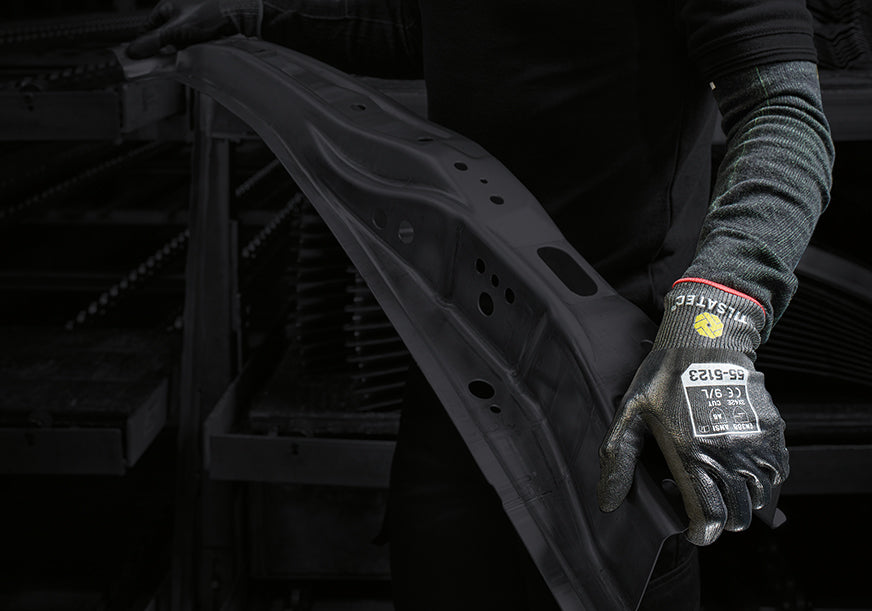
Tilsatec offers unique solutions, customized for your industry.

Leather safety gloves offer durability, flexibility and comfort, but what’s actually in the leather? This guide explains the difference between chrome-free, chromium-free and Cr(VI)-compliant claims, why hexavalent chromium matters, and what safety professionals should look for in test reports. It also explores how Tilsatec controls leather chemistry and compliance across its PUREHIDE™ range.

Cut resistance has come a long way, but is simply achieving a higher cut level still enough? This article looks at how changing materials, new yarn technologies and smarter glove design could shape the next generation of hand protection.

Choosing the right glove size is about more than simply selecting S, M or L. Discover why hand circumference, hand length, glove style, and fit all play a role in finding the right size, and how our hand sizing chart can help to find the right fit.